
Timeless Timelines
An IndigenousX design project which archives the contributions of IndigenousX Twitter hosts on the IndigenousX website.
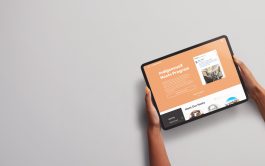
Each week, IndigenousX invites a new Indigenous host to run their @IndigenousX Twitter account, one of the biggest Indigenous specific Twitter accounts online. Fifty two hosts per year are invited to share their unique perspectives as a First Nations person on topics such as life, creativity, sciences, media, education, culture and more. The IndigenousX website was undergoing a brand-refresh at the time; Luke Pearson, the CEO and Founder, gave us the challenge to find areas of their existing website that could have been refreshed.
A Design Research Project which was part of the student learning experience in 87831 VC Design Studios: Visual Communication and Emergent Practices Spring 2019. This project was developed under the guidance of Indigenous project leaders, research advisors and studio leaders. This design outcome is not for public use without obtaining adequate permissions. This project uses Dharug Language on Eora Country.
July 2019 – October 2019
Branding System, One-on-One Interviews, User Journey Map, Wireframes, Prototypes, Empathy Map
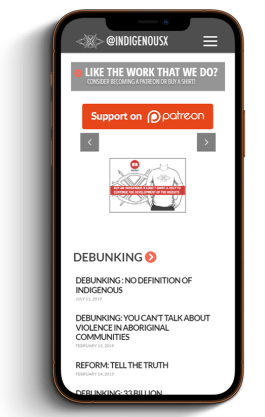
IndigenousX Twitter Hosts are not effectively recognised for their contributions on the existing IndigenousX website. IndigenousX wants to find a solution which archives the opinions, contributions and excellence of their Hosts but can't due to the limited features on their existing website.
Previously IndigenousX used to use Storify to curate the previous hosts tweets (Luke Pearson Peers comms), however the service was discontinued because it wasn't capable of recognising what tweets belonged to each host. The IndigenousX website itself was only using a stock template and needed a contemporary refresh.
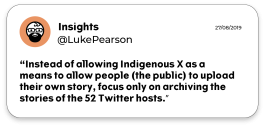
A one-on-one interview with Luke Pearson helped me refine the scope of my project. My initial concept for the website re-brand was to open IndigenousX as a platform for the every day First Nations person to share their own excellences — however Luke suggested to limit it only to the Hosts to prevent trolling.
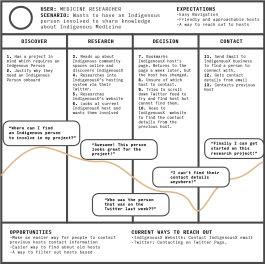
I created a user journey map to understand how a potential user, a medicine researcher, currently finds the contact information of an IndigenousX host on the IndigenousX site. This helped me to identify the different pain points a user may have on their journey to find a specific IndigenousX host. This insight would help me define the features and functions of my design solution.
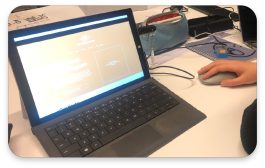
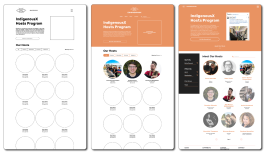
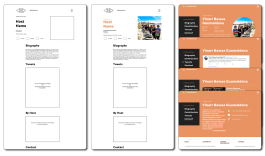
With the project scope in mind I began designing up wireframes of the website on Adobe XD and testing it out with fellow peers. The intention of these wireframes was to discover what content were users expecting on the page, and to experiment with the layout and the hierarchy of content on the page.
I participated in three different prototyping sessions where I uncovered different perspectives from my peers. After the third session I mapped out their insights into an Empathy Map.
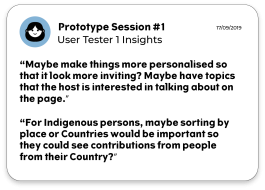
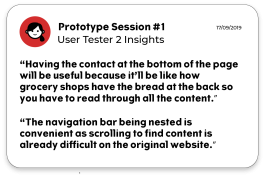
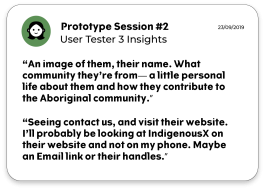
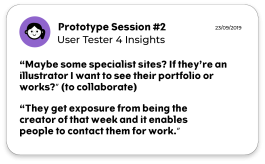
The third and final prototyping session involved a walkthrough the entire project thus far with our project lead and the stakeholders so far. The empathy map highlighted the clear gaps of cohesion of my project and the overall visual design of the site. I used the key points of feedback in the empathy map to re-design the final prototype.
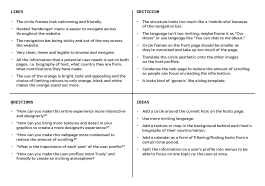
As my initial wireframes were not successful in conveying an effective story, I had to go back to the drawing board and redesign a working prototype which addressed the concerns in the Empathy Map.
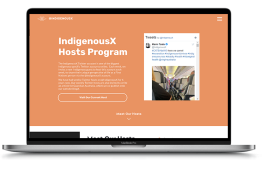
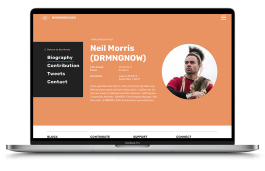
This final and second round of prototypes was more cohesive and well received by my stakeholders, peers and Project Lead. The updated prototype design was much more simple, inviting and contemporary in style.
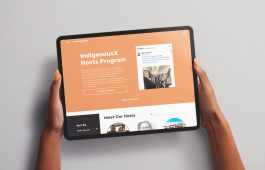
The final deliverable for this project was a working prototype and preview video which explained the features of the refreshed IndigenousX website. Since this project's completion, IndigenousX refreshed their website, including in a contributors page and anthology, a book which archives various contributions of previous IndigenousX hosts.
While my final outcome was not a realised solution, I learned many things: that it is wrong to assume people read webpages the same; that people like less scrolling on webpages, that having information nested into sub-pages would help people focus more on the information on the page and so much more. The most important thing that I had learned was to always bring in user feedback, no matter how little progress you made.
If I were to redesign this solution I would have conducted much more user testing and if I had the resources to, to contact and reach out more stakeholders of the Indigenous community to test out my product.
Timeless Timelines
An IndigenousX design project which archives the contributions of IndigenousX Twitter hosts on the IndigenousX website.
Each week, IndigenousX invites a new Indigenous host to run their @IndigenousX Twitter account, one of the biggest Indigenous specific Twitter accounts online. Fifty two hosts per year are invited to share their unique perspectives as a First Nations person on topics such as life, creativity, sciences, media, education, culture and more. The IndigenousX website was undergoing a brand-refresh at the time; Luke Pearson, the CEO and Founder, gave us the challenge to find areas of their existing website that could have been refreshed.
A Design Research Project which was part of the student learning experience in 87831 VC Design Studios: Visual Communication and Emergent Practices Spring 2019. This project was developed under the guidance of Indigenous project leaders, research advisors and studio leaders. This design outcome is not for public use without obtaining adequate permissions. This project uses Dharug Language on Eora Country.
July 2019 – October 2019
Branding System, One-on-One Interviews, User Journey Map, Wireframes, Prototypes, Empathy Map
IndigenousX Twitter Hosts are not effectively recognised for their contributions on the existing IndigenousX website. IndigenousX wants to find a solution which archives the opinions, contributions and excellence of their Hosts but can't due to the limited features on their existing website.
Previously IndigenousX used to use Storify to curate the previous hosts tweets (Luke Pearson Peers comms), however the service was discontinued because it wasn't capable of recognising what tweets belonged to each host. The IndigenousX website itself was only using a stock template and needed a contemporary refresh.
A one-on-one interview with Luke Pearson helped me refine the scope of my project. My initial concept for the website re-brand was to open IndigenousX as a platform for the every day First Nations person to share their own excellences — however Luke suggested to limit it only to the Hosts to prevent trolling.
I created a user journey map to understand how a potential user, a medicine researcher, currently finds the contact information of an IndigenousX host on the IndigenousX site. This helped me to identify the different pain points a user may have on their journey to find a specific IndigenousX host. This insight would help me define the features and functions of my design solution.
With the project scope in mind I began designing up wireframes of the website on Adobe XD and testing it out with fellow peers. The intention of these wireframes was to discover what content were users expecting on the page, and to experiment with the layout and the hierarchy of content on the page.
I participated in three different prototyping sessions where I uncovered different perspectives from my peers. After the third session I mapped out their insights into an Empathy Map.
The third and final prototyping session involved a walkthrough the entire project thus far with our project lead and the stakeholders so far. The empathy map highlighted the clear gaps of cohesion of my project and the overall visual design of the site. I used the key points of feedback in the empathy map to re-design the final prototype.
As my initial wireframes were not successful in conveying an effective story, I had to go back to the drawing board and redesign a working prototype which addressed the concerns in the Empathy Map.
This final and second round of prototypes was more cohesive and well received by my stakeholders, peers and Project Lead. The updated prototype design was much more simple, inviting and contemporary in style.
The final deliverable for this project was a working prototype and preview video which explained the features of the refreshed IndigenousX website. Since this project's completion, IndigenousX refreshed their website, including in a contributors page and anthology, a book which archives various contributions of previous IndigenousX hosts.
While my final outcome was not a realised solution, I learned many things: that it is wrong to assume people read webpages the same; that people like less scrolling on webpages, that having information nested into sub-pages would help people focus more on the information on the page and so much more. The most important thing that I had learned was to always bring in user feedback, no matter how little progress you made.
If I were to redesign this solution I would have conducted much more user testing and if I had the resources to, to contact and reach out more stakeholders of the Indigenous community to test out my product.